
How Recycled Packaging is Powering the Future of Sustainable Products in India
October 9, 2024
How Recycled Packaging is Powering the Future of Sustainable Products in India
In 2023, the global market for recycled plastics was valued at $51.70 billion, with projections to grow at a CAGR of 9.5% from 2024 to 2030, driven by increasing consumer demand and corporate sustainability initiatives. According to a report by McKinsey & Company, the use of recycled materials in packaging is expected to grow significantly as companies strive to reduce their environmental impact. By using recycled packaging, companies are not only reducing waste but also cutting down on the need for virgin materials, which are often resource-intensive to produce.
Recycled packaging is gaining significant traction in India, driven by the government’s push towards sustainability and growing consumer awareness. The Indian plastic recycling market is booming, with a projected value of USD 6,933.2 million by 2033, growing at a CAGR of 5.22%. This surge reflects a growing emphasis on sustainability and resource conservation in India, with a significant portion of this growth attributed to the recycling of packaging materials like plastics, paper, and metals.
India is leading the way by implementing a mandate requiring 30% recycled content in PET bottles. This forward-thinking initiative is grounded in an already impressive 90-95% collection rate for PET bottles, highlighting the nation’s dedication to environmental sustainability and its role as a leader in waste management. Also, the push towards recycled packaging is essential not only for reducing waste but also for conserving resources and reducing the carbon footprint of manufacturing processes.
-
-
-
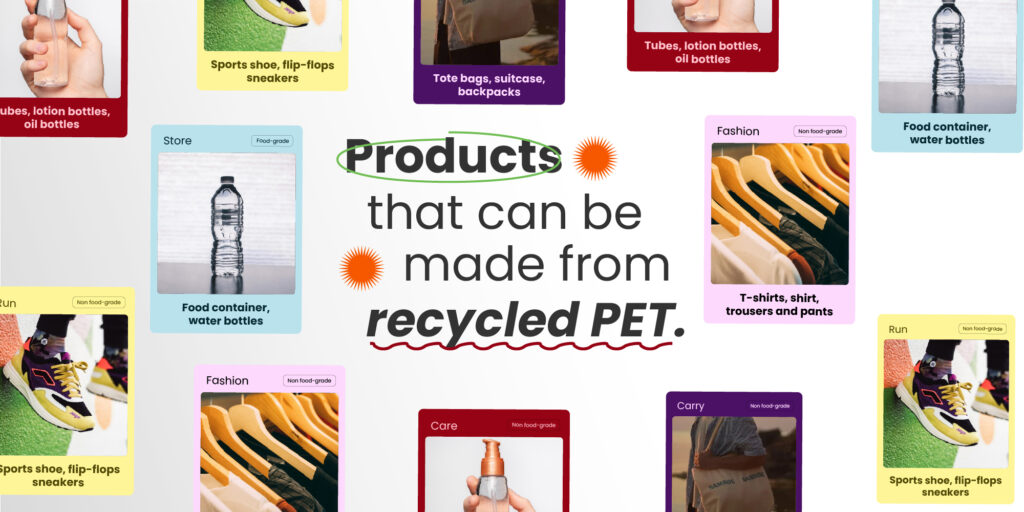
- Household Products: In India, brands like Hindustan Unilever are using recycled plastic in their packaging. This not only reduces the demand for new plastic but also addresses the issue of plastic waste in India. Similarly, Hindustan Unilever has committed to making all its plastic packaging recyclable, reusable, or compostable by 2025, with significant progress already made in using recycled materials.
- Fashion and Textiles: The Indian fashion industry is increasingly embracing recycled materials. Brands like Lindström India and Doodlage are leading the charge by upcycling waste fabric and plastic into new clothing lines as well as sustainable packaging, showcasing the potential of recycled materials in mainstream fashion.
- Electronics: The Indian electronics industry is also making strides in using recycled materials. Companies like Samsung India have started incorporating recycled plastics into their products. For instance, Samsung uses recycled plastic in the back covers of some of its smartphones and other electronics. By using recycled materials, companies not only reduce their reliance on virgin resources but also contribute to the circular economy.
-
-
Accelerating India’s Net Zero Goals
The integration of recycled packaging into product manufacturing is a key strategy for India to achieve its Net Zero goals. India has pledged to achieve Net Zero by 2070, and using recycled materials is a significant step in this direction.
Additionally, the Bureau of Indian Standards (BIS) has developed guidelines to encourage the use of recycled materials in packaging, further pushing the industry towards sustainability. By substituting virgin materials with recycled ones, companies can not only reduce their carbon emissions but also meet regulatory requirements, which are becoming increasingly stringent in India.
Conclusion: A Sustainable Future for India
As India moves towards a more sustainable future, recycled packaging is set to play a pivotal role in transforming industries. From fashion to electronics and household goods, the innovative use of recycled materials is driving progress towards a circular economy. For Indian brands, this shift is not just about meeting consumer demand for sustainable products but also about aligning with national and global sustainability goals. The future of recycled packaging in India is bright, and its potential to revolutionise industries and contribute to environmental conservation is immense.


